



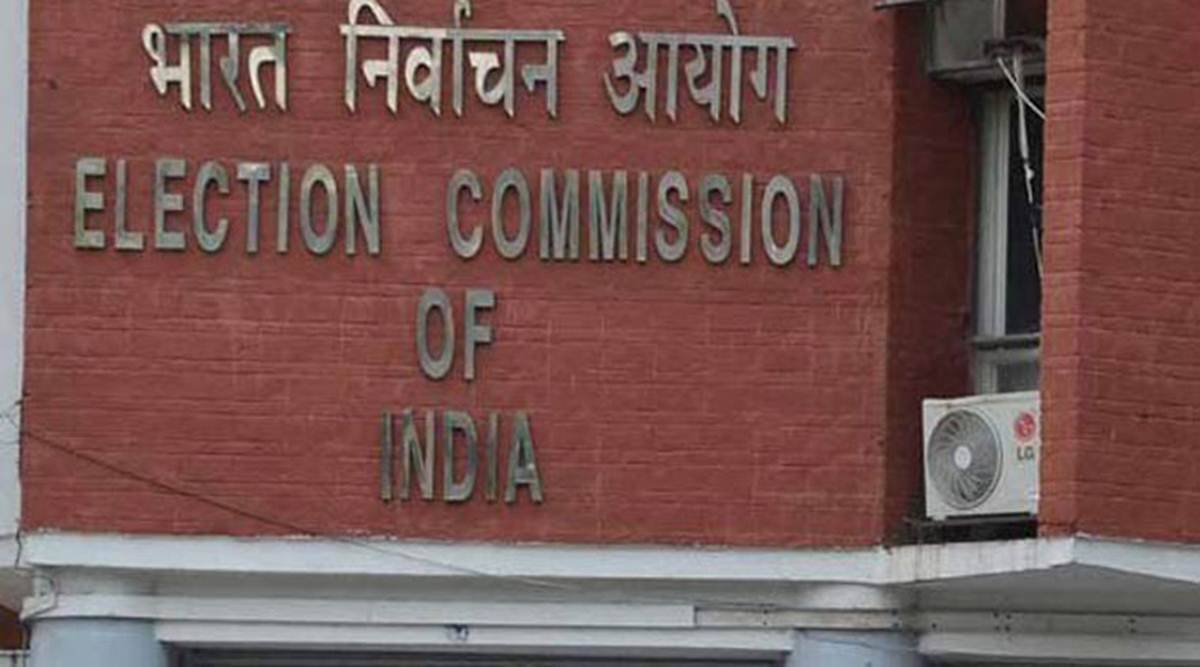
The formation of a committee to study the 'one nation, one election' proposal is a significant development in India's political landscape. This concept aims to synchronize the timing of elections for the Lok Sabha (the lower house of India's Parliament) and state legislative assemblies, thereby streamlining the electoral process and potentially reducing the financial and logistical burdens associated with separate elections.
Former President Ram Nath Kovind's appointment as the head of the committee adds weight to the initiative, given his experience and stature in Indian politics. It suggests that the government is taking the idea seriously and is committed to a thorough examination of its feasibility.
The announcement of a special session of Parliament from September 18 to 22 has heightened expectations that a bill related to 'one nation, one election' might be introduced during this session. However, it's important to note that no official confirmation regarding this matter has been provided by the government. The proposal has been a subject of interest for the ruling Bharatiya Janata Party (BJP) and Prime Minister Narendra Modi, with mentions in their speeches and inclusion in the party's 2014 Lok Sabha election manifesto. The potential implications of implementing such a system on India's diverse and federal political landscape are likely to be the subject of extensive debate and discussion in the coming months.
 OpinionExpress.In









Comments (0)